🎬What is the difference between a cos player and an actor?
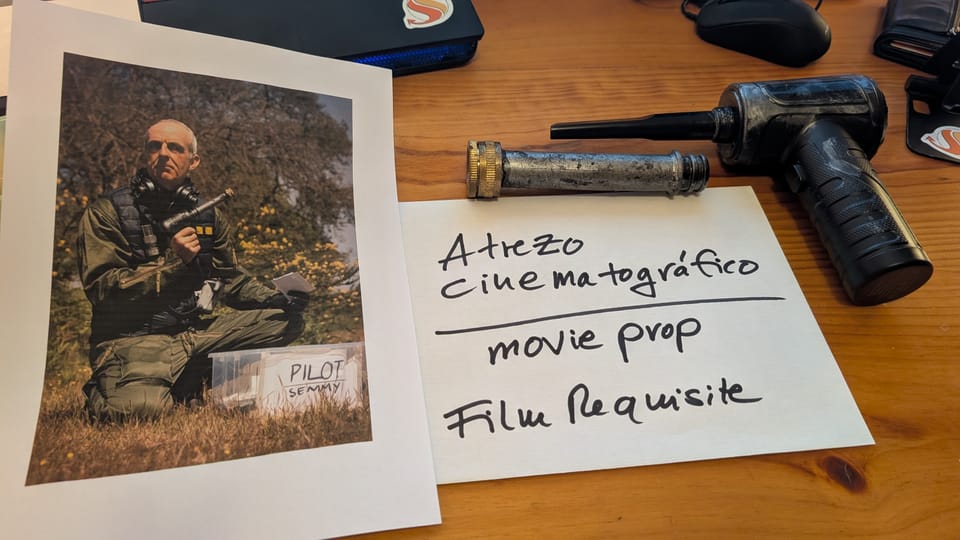
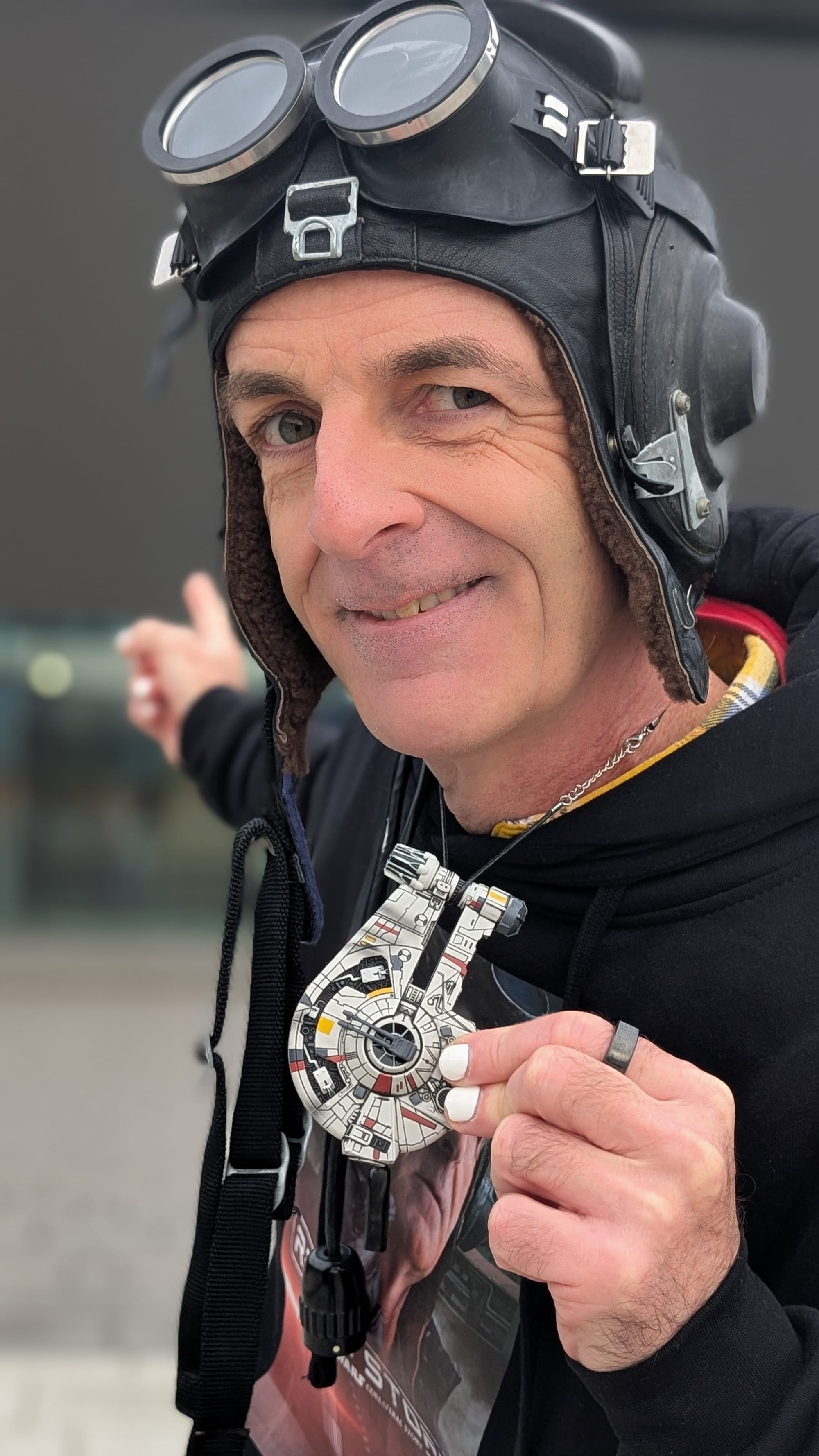
To bring a bit of clarity into this. I was as actor at the Comiccon Germany Stuttgart dressed in my role as Rebel Pilot Thane Holgar and not as a cos player, and there is a distinct difference that not everyone seems to understand.
Do not get me wrong. I absolutely adore the dedication and performance of all cos players I encounter at conventions and what they create with their appearances and inspiration is absolutely essential to inspiring other humans and each other!
Behind the Mask: Cosplay vs. Professional Acting
At a glance, a cosplayer at Comic-Con and an actor on a film set seem to be doing the exact same thing: stepping into the shoes of a character to entertain an audience.
However, while the circles of cosplay and acting often overlap, the core motivations, skill sets, and end goals are distinct. It isn't a question of one being "better" than the other; rather, it is a difference in medium and method.
Here is the breakdown of how these two art forms differ.
1. The Cosplayer: The Art of the Visual Tribute
For the majority of cosplayers, the art form is rooted in craftsmanship and visual fidelity.
The primary goal of a cosplayer is to translate a 2D design (anime, comic, video game) into a 3D reality. The performance aspect usually focuses on "posing" or short-term interactions—capturing the essence of the character for a photograph or a brief conversation on a convention floor.
- The Creator: Cosplayers are often their own costume designers, wig stylists, and makeup artists.
- The Moment: The performance is often static or episodic (posing for a camera) rather than a sustained narrative.
- The Motivation: It is generally an act of fandom—a tribute to a character they love and a way to connect with a community.
2. The Professional Actor: The Art of the Narrative
For a professional actor, the art form is rooted in psychology and storytelling.
The primary goal of an actor is to serve a script. Whether on stage or screen, they must sustain a character’s emotional arc over hours, days, or months. They focus less on how the costume was made and more on why the character is wearing it.
- The Vessel: Actors rarely make their own costumes; they are the canvas for other professionals (wardrobe, makeup) so they can focus entirely on behavior.
- The Arc: They must memorize lines, understand subtext, and repeat a scene 20 times with the same emotional intensity (consistency).
- The Motivation: It is a profession geared toward telling a specific story for a director or playwright.
The Overlap
The line is becoming blurrier. "Method cosplay" is a rising trend where cosplayers adopt the mannerisms and voice of the character for the entire duration of an event. Similarly, actors in superhero films often rely on the suit to help them find the character's posture.
Ultimately, cosplay is bringing an image to life, while acting is bringing a soul to life. Both require immense passion, bravery, and a love for the imaginary.
 Semmy de Nada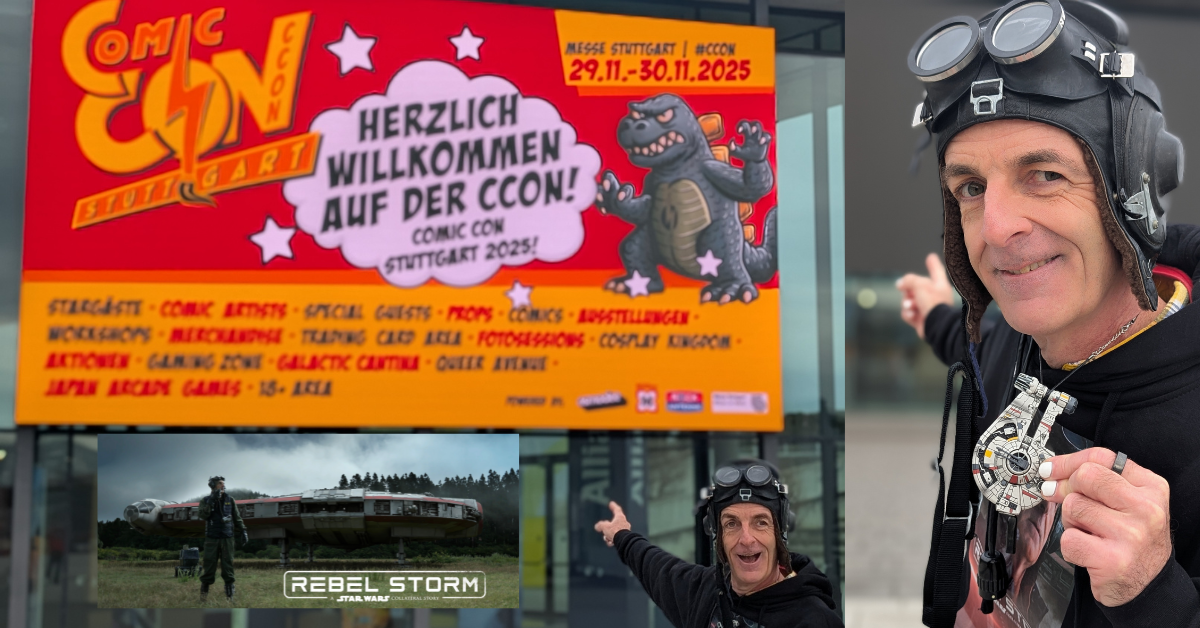
Member discussion